
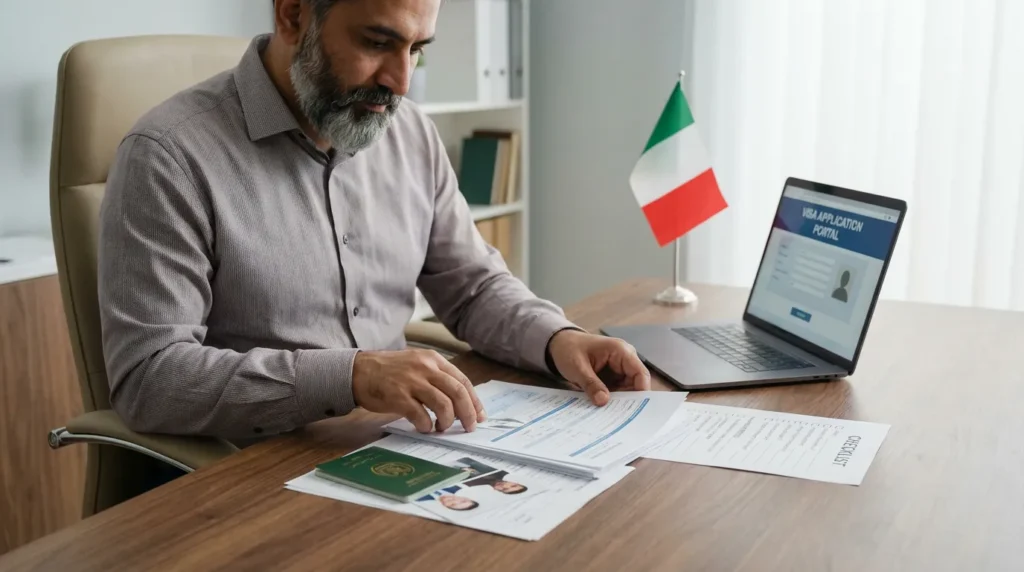
Planning a trip to Italy from Pakistan can be exciting, but the visa process may seem overwhelming for first-time applicants. Whether you are traveling for tourism, visiting family, studying, or pursuing work opportunities, understanding the process step by step is essential. This guide is designed for beginners and covers everything you need to know, including visa types, document requirements, appointment procedures, processing times, fees, and practical tips to ensure a smooth application.
Understanding Italy Visa Types
Before starting your application, it is crucial to determine the type of visa that suits your travel purpose. Italy offers two main categories of visas for Pakistani citizens: short-stay Schengen visas (Type C) and long-stay national visas (Type D). The short-stay visa is valid for trips up to 90 days and is generally used for tourism, business trips, or visiting friends and family. In contrast, long-stay visas are for stays exceeding 90 days and are required for studying at Italian universities, working in Italy, reuniting with family, or conducting research.
Choosing the correct visa type is important because the application process, required documents, and supporting materials differ for each category. Applying for the wrong visa may result in delays or even rejection.
Booking Your Visa Appointment
All Italian visa applications from Pakistan require a prior appointment. Walk-ins are not accepted at visa centers, so scheduling an appointment in advance is essential. To do this, create an account on the official Italy Visa Application Centre portal and select the visa type and location. The available centers in Pakistan are in Islamabad, Lahore, and Karachi. Once your appointment is confirmed, print the confirmation page as you will need to present it on the day of submission.
It is advisable to book appointments well in advance because slots can fill quickly, particularly for long-stay visas or peak travel seasons. Some visa categories, such as family reunion visas, may use a waitlist system, so checking the portal regularly is recommended to secure an available slot.
Preparing Your Documents for a Short-Stay Visa
For a short-stay visa, you will need to prepare several essential documents. These include a completed and signed visa application form, a valid passport with at least six months validity beyond your intended stay, and two recent passport-sized photographs with a white background. A copy of your CNIC is required, and for minors, a copy of their passport should also be provided.
In addition to identification, you need to show proof of travel arrangements, including a round-trip flight reservation and confirmed hotel bookings. If you plan to stay with family or friends in Italy, you must provide an invitation letter from your host. Travel insurance covering medical emergencies up to a minimum of €30,000 is mandatory. Bank statements for the last three to six months are required to demonstrate financial capability, and a cover letter explaining the purpose of your trip and travel plan adds credibility to your application. Applicants traveling with family should also include a Family Registration Certificate issued by NADRA. If employed, employment letters and recent salary slips, or business registration documents if self-employed, are necessary to show ties to Pakistan.
Long-Stay Visa Requirements
Long-stay visas for study, work, or family reunification have additional requirements. Students must submit an acceptance letter from their Italian university along with proof of tuition payment and sufficient funds for living expenses. For work visas, an employment contract or offer letter from an Italian employer is required. Family reunion visas demand proof of relationship, along with legal documents from the family member residing in Italy. Health insurance covering the duration of stay and police clearance certificates or medical tests may also be requested depending on the visa type. Because these visas involve a longer stay, it is important to prepare attested and translated documents to meet embassy standards.
Visa Fees and Processing Times
The standard fee for a short-stay Schengen visa is approximately €90 for adults, €45 for children aged 6–12, and free for children under six years. Long-stay visas have variable fees depending on the visa type and duration. Additional service charges for processing appointments may apply at the visa center.
Short-stay visa applications are generally processed within 15 calendar days, while long-stay visas can take several weeks or even months. It is recommended to apply at least 30 to 60 days before your planned travel to avoid last-minute delays.
The Submission Process
On the day of your appointment, arrive at the visa center early with all your documents neatly organized. You will submit your application, provide biometric data including fingerprints and a photograph, and pay any remaining visa fees. Keeping a copy of your appointment confirmation and receipts is crucial for future reference. Organized documentation and a clear presentation can reduce the risk of delays or additional requests from the visa office.
Common Mistakes and How to Avoid Them
Many first-time applicants make avoidable mistakes that can delay the visa process or lead to rejection. Common errors include submitting incomplete documentation, relying on unofficial agents, applying too late, and neglecting mandatory requirements such as travel insurance or vaccination certificates. To avoid these pitfalls, double-check your documents, ensure they are attested where necessary, and verify all application details before submission. Using only official appointment channels and following instructions carefully increases the likelihood of a smooth approval.
Practical Tips for First-Time Applicants
Preparing a clear cover letter that explains your travel purpose, itinerary, and accommodation details can strengthen your application. Maintain a copy of all documents and receipts for your records. For long-stay visas, ensure all legal documents are correctly attested and translated. Monitoring appointment availability regularly can help secure a suitable date without delays. Finally, be patient and apply early to accommodate processing times and avoid any last-minute stress.
Conclusion
Applying for an Italy visa from Pakistan does not have to be complicated. By understanding the types of visas, preparing all required documents carefully, booking your appointment early, and following the submission procedures, Pakistani travelers can significantly increase their chances of a smooth and successful visa application. This guide provides all the information a beginner needs to confidently plan a trip or long-term stay in Italy, making the process manageable and stress-free.